sex toys and self pleasure warranties, returns, and buyer protection

By Rowan Keller · Senior Editor
Published June 1, 2026 · Last reviewed June 1, 2026
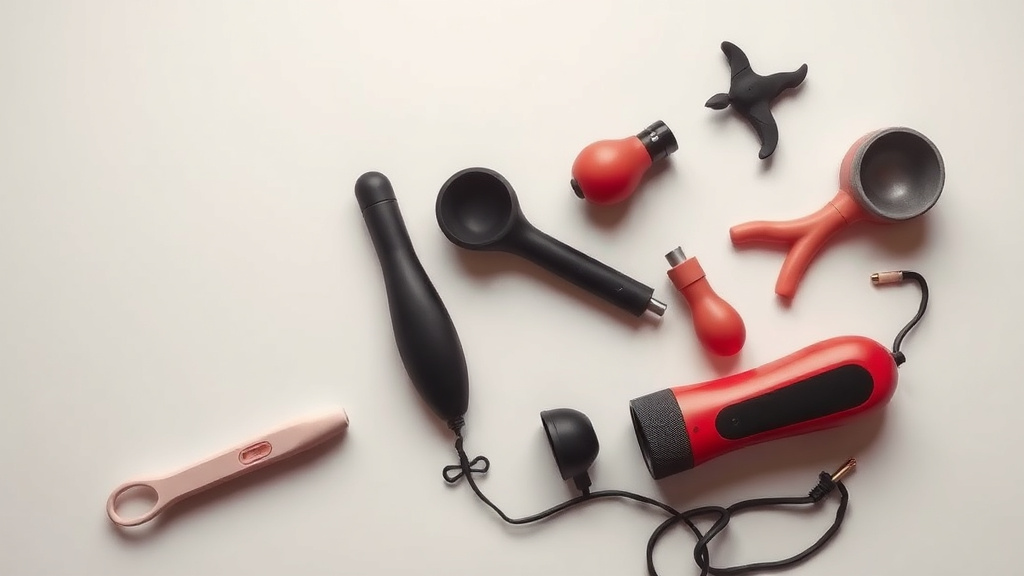
Sex toys and self pleasure warranties, returns, and buyer protection are critical factors that shoppers often overlook but should prioritize before making a purchase. Navigating the policies of various brands and retailers can significantly impact your satisfaction and safety when investing in these intimate products.
Key takeaways
- Many sex toy brands offer warranties ranging from 6 months to 2 years, primarily covering defects but not wear and tear.
- Return policies on sex toys vary widely; hygiene concerns often limit returns to unopened or unused products.
- Buyer protection exists through certain payment methods and third-party services but depends on the retailer’s transparency and credibility.
- Knowing the difference between manufacturer warranties, retailer return policies, and buyer protection helps manage expectations for post-purchase support.
- Keeping original packaging and receipts is essential for warranty claims and returns.
Why warranties matter for sex toys and self pleasure products
Warranties are a promise from the manufacturer that your sex toy will function as advertised for a set period. Defective motors, charging problems, or material degradation can sometimes occur with even high-quality products, so warranties provide a safety net. When I’ve tested products like the Lelo Sona 2 or We-Vibe Chorus, I found their warranties—usually around one or two years—reassuring, since these devices involve complex electronics subject to potential failure.
However, it’s important to understand what warranties typically don’t cover. Normal wear and tear from regular use, damage from misuse, or damage caused by third-party lubricants or cleaning products are usually excluded. This means if your toy’s silicone degrades or cracks after months of use, the warranty might not apply. Always read the warranty fine print carefully.
Returns: What policies can you expect?
Return policies for sex toys and self pleasure products tend to be more restrictive than for general merchandise due to hygiene regulations and safety concerns. Retailers generally require that products be unopened and unused to accept returns. For example, if you’re buying a vibrator and decide it’s not the right fit once you try it, you may not be able to return it unless it’s defective or unopened.
Some companies have more flexible return windows specifically for lingerie or non-electronic items, but for sex toys, the bar is usually stricter. That said, reputable retailers will explicitly state their return policy upfront, and some will accept returns in the rare case a product is defective out of the box.
Personally, I recommend ordering from retailers with clear return policies posted so you know your options. Keep all packaging and documentation intact in case you need to initiate a return or warranty claim.
Buyer protection: safeguarding your purchase beyond warranties and returns
Buyer protection is an additional layer of security offered by payment providers (like certain credit cards or payment platforms) or third-party services. It can cover cases where the product wasn’t delivered, was misrepresented, or a refund was not honored by the retailer.
When shopping for sex toys, especially from lesser-known brands or marketplaces, buyer protection is valuable. Nonetheless, protection terms vary widely and often require that you have already attempted to resolve the issue with the seller first.
For example, I’ve used payment methods with built-in fraud protection to safeguard purchases when trying new or boutique brands recommended within the sex toy community. In some cases, they helped recover funds when a company suddenly ceased communications. However, relying solely on buyer protection is not a substitute for understanding the brand’s direct policies.
Common warranty lengths and coverage across popular sex toy brands
| Brand | Warranty Length | Coverage Highlights | Return Policy Notes |
|---|---|---|---|
| LELO | 1–2 years | Defects in material and workmanship | Returns accepted unopened; defects eligible |
| We-Vibe | 1 year | Electronics and mechanical defects | Returns for unopened items; warranty claims documented |
| Womanizer | 2 years | Motors and charging defects | Unopened returns; warranty handles defects |
| Fun Factory | 1 year | Manufacturing defects | Strict hygiene policy; unopened returns only |
| Satisfyer | 1 year | Functional defects | Return depends on retailer; unopened required |
This table reflects general trends rather than guarantees; always double-check the current policy on official sites or trusted retailers.
Tips for managing warranties, returns, and buyer protection
- Register your product if possible: Some brands require or encourage registration after purchase for warranty activation.
- Keep documentation safe: Save receipts, order confirmations, and warranty information digitally and physically.
- Check packaging for damage before using: Photograph the box and product if damaged on arrival—this can support return or warranty claims.
- Contact the seller promptly: Report defects or order issues early to stay within allowable windows.
- Research retailer reputability: Verified customer reviews and clear policy disclosures reduce the risk of complications.
- Use trusted payment methods: Credit cards or payment platforms with buyer protection improve your recourse options.
Comparing warranty and return policies: essential checklist before buying a sex toy
| Criterion | Questions to Ask | Why It Matters |
|---|---|---|
| Warranty duration | How long is coverage? | Longer warranties offer extended peace of mind |
| Warranty coverage scope | What defects or damages are covered? | Avoid surprises—normal usage exclusions are common |
| Return window | Within how many days can returns be requested? | Short windows require quick decisions |
| Return condition requirements | Must the product be unopened or unused? | Hygiene concerns often restrict returns |
| Process clarity | Is the process clearly outlined and accessible? | Clear instructions reduce hassle |
| Buyer protection availability | Does your payment method offer dispute resolution? | An extra layer of security in case of seller issues |
| Restocking or return fees | Are there any costs associated with returns? | Unexpected fees can reduce value |
When shopping, I keep this checklist handy to confirm any purchase is backed by meaningful protections.
Conclusion
Warranties, returns, and buyer protections are vital yet sometimes overlooked when purchasing sex toys and self pleasure products. Understanding how these policies work and their limitations can save frustration and financial loss. From my experience testing dozens of devices, the best practice is buying from transparent, reputable brands and retailers that explicitly communicate their policies. Protect yourself by documenting your purchase and leveraging buyer protection when possible to ensure your journey toward pleasure remains smooth and safe.
Related reading
- Top sex toys and self pleasure brands we recommend (and skip)
- Refurbished vs new for sex toys and self pleasure
- First-time buyer checklist for sex toys and self pleasure
- sex toys and self pleasure brands we recommend vs avoid
- Best sex toys and self pleasure (2026 buyer’s guide)
FAQ
Can I return a sex toy after opening it if I don’t like it?
Most retailers do not accept returns once a sex toy has been opened or used due to hygiene concerns. Some might make exceptions if there is a manufacturing defect, but you typically cannot return a product simply because it doesn’t meet your personal preference after use.
What exactly does a sex toy warranty cover?
Warranties on sex toys usually cover mechanical and electrical defects related to manufacturing quality. They rarely cover damage from misuse, water damage outside manufacturer guidelines, or normal wear and tear, such as silicone breakdown from use or cleaning.
How long do sex toy warranties usually last?
Warranties generally range from 6 months to 2 years, depending on the brand. Premium brands like Womanizer often offer longer warranties (around two years), while others provide a standard one-year coverage.
Is buyer protection offered by credit cards helpful for sex toy purchases?
Yes, many credit cards offer buyer protection that can help recover funds if the retailer does not deliver the product or fails to resolve issues with defective items. This is particularly useful when dealing with lesser-known or boutique brands.
Should I register my sex toy to activate the warranty?
Some brands require product registration while others do not. Registration helps manufacturers track the product and the purchase date, which can simplify warranty claims. It’s recommended to check the brand’s policy and complete registration if available.