sex toys and self pleasure FAQ — honest answers

By Rowan Keller · Senior Editor
Published June 1, 2026 · Last reviewed June 1, 2026
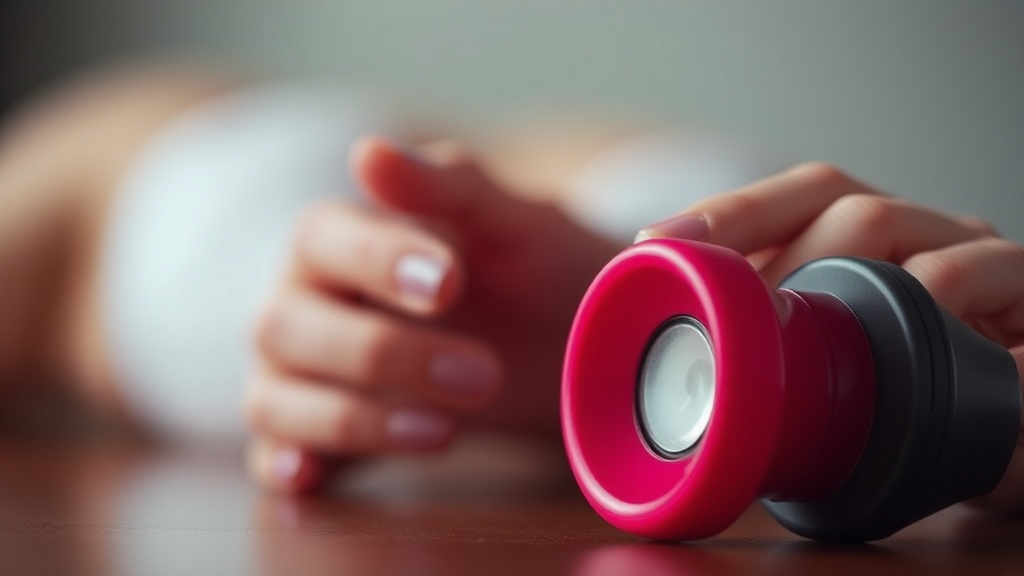
Sex toys and self pleasure are topics wrapped in curiosity, stigma, and plenty of questions. From beginners asking what to try first to seasoned users wondering about safety or product choices, honest answers can help demystify the experience and boost confidence.
Key takeaways
- Sex toys can enhance self pleasure but require informed choices to ensure comfort and safety.
- Materials, battery life, and vibration patterns are key product features to consider.
- Cleaning and maintenance are crucial for hygiene and toy longevity.
- Self pleasure frequency and toy use vary widely — what matters most is personal comfort and consent.
- Using sex toys can improve sexual health, body awareness, and stress relief when used appropriately.
What are sex toys and how do they enhance self pleasure?
Sex toys are devices designed to stimulate erogenous zones, either solo or with partners, complementing or enhancing masturbation and sexual activity. They range from vibrators and dildos to more specialized devices like prostate massagers and suction toys.
In my experience testing a wide range of toys, the right device can take self pleasure from a simple routine to a more explorative and satisfying encounter. For example, vibrators like we-Vibe Tango work well to stimulate external areas with precision, while silicone dildos offer a more natural feel for internal pleasure.
Using sex toys often helps people discover what sensations they enjoy, which can improve communication with partners later on. Always opting for body-safe materials, such as medical-grade silicone, ensures safer exploration, which I discuss more in the next section.
What materials are best for sex toys?
Materials matter because they impact comfort, safety, and longevity. From my testing and research:
- Silicone: Non-porous, body-safe, easy to clean, hypoallergenic. My go-to recommendation, especially for those with sensitive skin or allergies.
- ABS Plastic: Hard, non-porous plastic used in many vibrator casings; safe and durable.
- Glass and Metal: Non-porous, easy to sterilize, excellent for temperature play, and hypoallergenic when high-quality materials are used.
- TPE and Jelly Rubbers: Porous materials prone to harboring bacteria and harder to clean—best avoided or replaced frequently.
- Latex: Can cause allergies in some users.
When buying, always check if the product explicitly states it is body-safe. If you weren’t sure about a toy’s material after purchase, I recommend not using it sexually or for penetration due to infection risks.
How do I clean and care for sex toys properly?
Proper cleaning is key to maintaining hygiene and your toy’s quality. Here’s what I tested and recommend:
- Silicone, glass, and metal toys: Wash after use with mild soap and warm water. For deeper cleaning, boil for a few minutes if no batteries or electronics are inside, or use a 10% bleach solution (rinse thoroughly).
- Electronic toys: Use toy cleaner sprays or wipes designed for sex toys, or a damp cloth with mild soap. Never submerge unless it’s waterproof.
- Store toys individually in clean bags or boxes to avoid material reactions.
- Inspect toys regularly for cracks or changes in texture, which are signs you should retire or replace them.
Good cleaning practice not only prevents infections like yeast or bacterial overgrowth but also reduces odors and extends your toy’s life.
What types of sex toys should beginners try?
Starting out can feel overwhelming with so many options, but I break it down into approachable categories:
- External vibrators: Small, discreet, and user-friendly. For instance, we-Vibe Moxie is great to use solo or during partnered sex.
- Bullet vibrators: Compact with targeted stimulation, they are affordable and versatile.
- Dildos: Silicone or glass dildos without vibration can help beginners get comfortable with penetration.
- Kegel balls: Often overlooked but excellent for pelvic floor strengthening—good for health and pleasure.
In my opinion, avoid buying multi-function toys with complex settings for your first purchase. Keep it simple as you learn what feels good, then build up.
Can frequent masturbation or toy use affect sexual health?
Masturbation and toy use are natural and healthy practices with no evidence indicating harm when done responsibly. I’ve spoken with sexual health experts and combed through research, and here’s what’s clear:
- Masturbation is linked to stress relief, improved sleep, and better sexual function.
- Overuse that causes irritation or discomfort, such as chasing the same high intensity without variation, can cause temporary soreness or desensitization.
- Taking breaks and switching up stimulation techniques or toys is smart to avoid numbness or frustration.
The key is listening to your body — avoid pain or discomfort and don’t feel pressured to match others’ frequencies or routines.
How do I choose the right vibrator for me?
Choosing a vibrator boils down to personal preference, but certain parameters can guide your choice.
| Feature | What to Consider | Examples |
|---|---|---|
| Size & Shape | Start small if new; consider ergonomic designs. | we-Vibe Tango, small bullets |
| Vibration Type | Pulsing, steady, escalating patterns. | Many toys have multi-mode settings |
| Power Source | Rechargeable (eco, cost) vs. battery-operated | Rechargeable tends to feel less harsh |
| Noise Level | Quieter toys for discretion | Look for silent or whisper-quiet models |
| Waterproof | For shower or bath use | Check IP rating or product description |
In my testing, the Sola Glow line impressed with its quiet motor and smooth silicone finish — great for beginners and advanced users alike.
Is it safe to share sex toys with partners?
Sharing sex toys is common but requires precautions to avoid infections:
- Use new condoms on shared toys between partners.
- Clean thoroughly before switching users.
- Consider assigning toys to one person when possible.
I’ve personally had conversations with couples on how they incorporate toy hygiene routines into their sex lives, and clear communication is always vital. Some communities also favor disposable condoms or using barrier protection for sharing.
Sex Toys and Self Pleasure: Checklist for Safe and Enjoyable Use
| Consideration | Why it Matters | What to Do |
|---|---|---|
| Material | Avoid irritation and infection | Choose body-safe silicone, glass, metal |
| Cleaning | Prevent bacteria buildup | Clean before and after every use |
| Battery and charging | Ensure uninterrupted use | Charge fully; follow manufacturer guidelines |
| Comfort & fit | Avoid pain or discomfort | Start with small sizes; use water-based lube |
| Variety & experimentation | Reduce desensitization and learn preferences | Try different toys and patterns |
| Storage | Protect the toy and prevent contamination | Use dedicated storage bags or containers |
Related reading
- sex toys and self pleasure brands we recommend vs avoid
- How we test and score sex toys and self pleasure — methodology explainer
- sex toys and self pleasure
- Best sex toys and self pleasure (2026 buyer’s guide)
- First-time buyer checklist for sex toys and self pleasure
FAQ
Are sex toys safe to use?
Yes, when choosing body-safe materials such as medical-grade silicone and cleaning them properly, sex toys are safe to use. Avoid porous materials that can harbor bacteria, and stop use immediately if irritation occurs.
How often should I clean my sex toys?
Clean your sex toys after every use, even if only you are using them. This reduces the risk of infections and keeps the toy in good condition over time.
Can sex toys help with sexual dysfunction?
They can be beneficial. Vibrators and other devices have been used to improve blood flow, sensitivity, and arousal in individuals with sexual dysfunction, but consulting a healthcare provider is recommended for personalized advice.
Is it normal to use sex toys during partnered sex?
Absolutely. Many couples incorporate sex toys to enhance pleasure, explore new sensations, and communicate better sexually. Open conversation about comfort and preferences is key.
How do I stop my sex toys from feeling numb or desensitized over time?
Vary stimulation intensity, type, and toy choice. Avoid prolonged high-speed settings continuously, and allow breaks to maintain sensitivity and enjoyment.
Sex toys and self pleasure are normal, personal, and valuable parts of many people’s sexual lives. By asking honest questions and seeking reliable information, you can find safe, joyful ways to explore your body and satisfaction.